Custom Sponge City Siphonic Waterproof and Drainage Collection System Suppliers, Factory

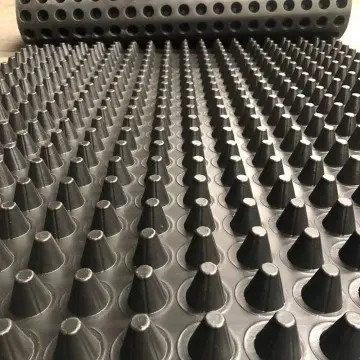
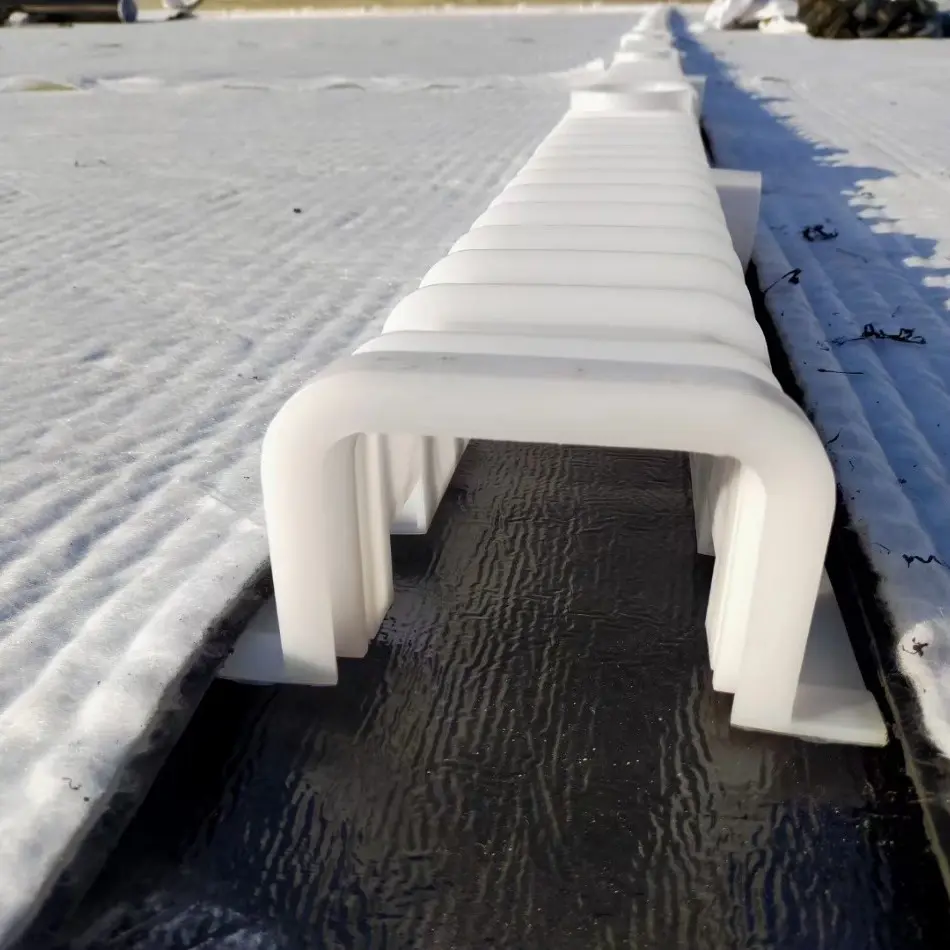
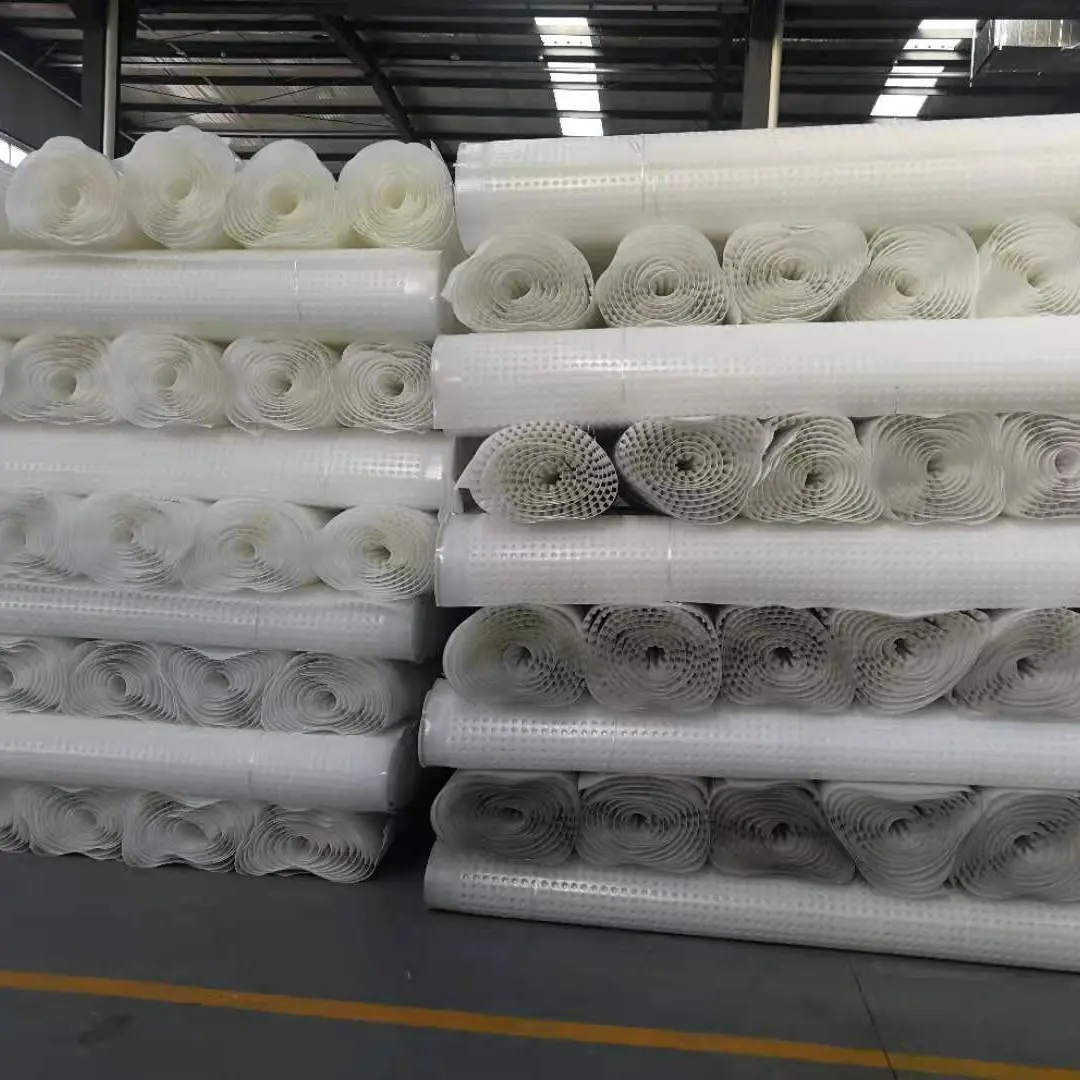
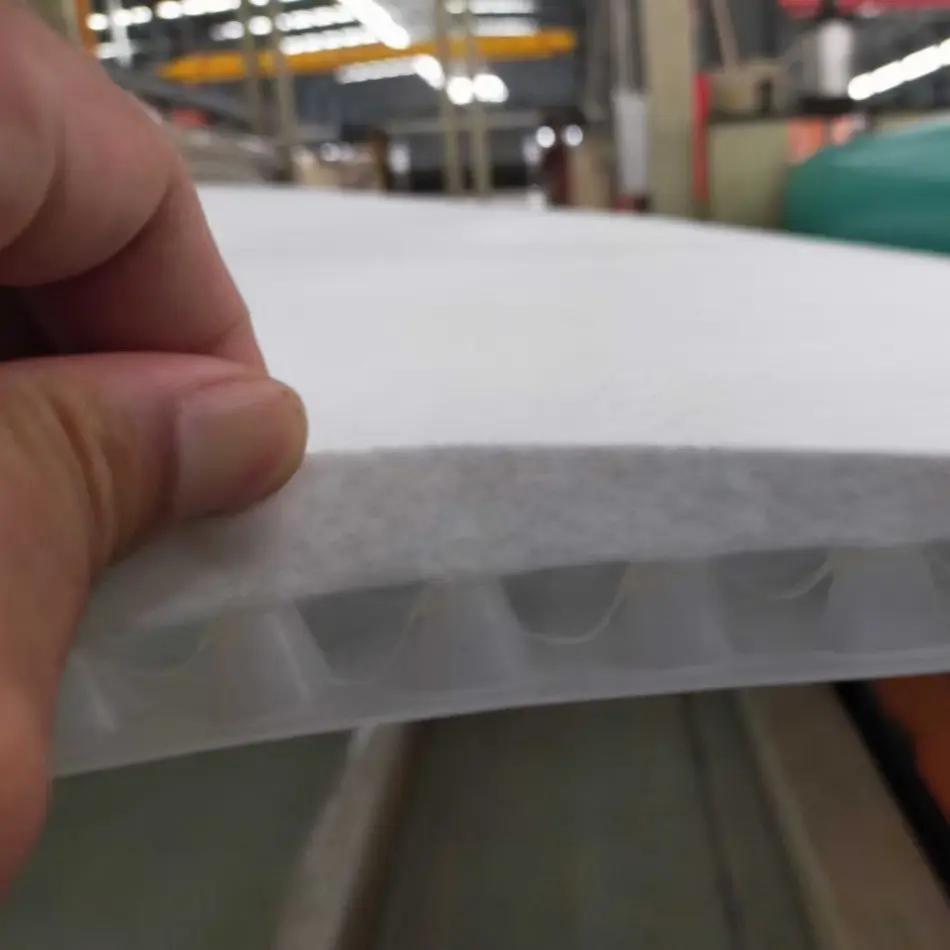
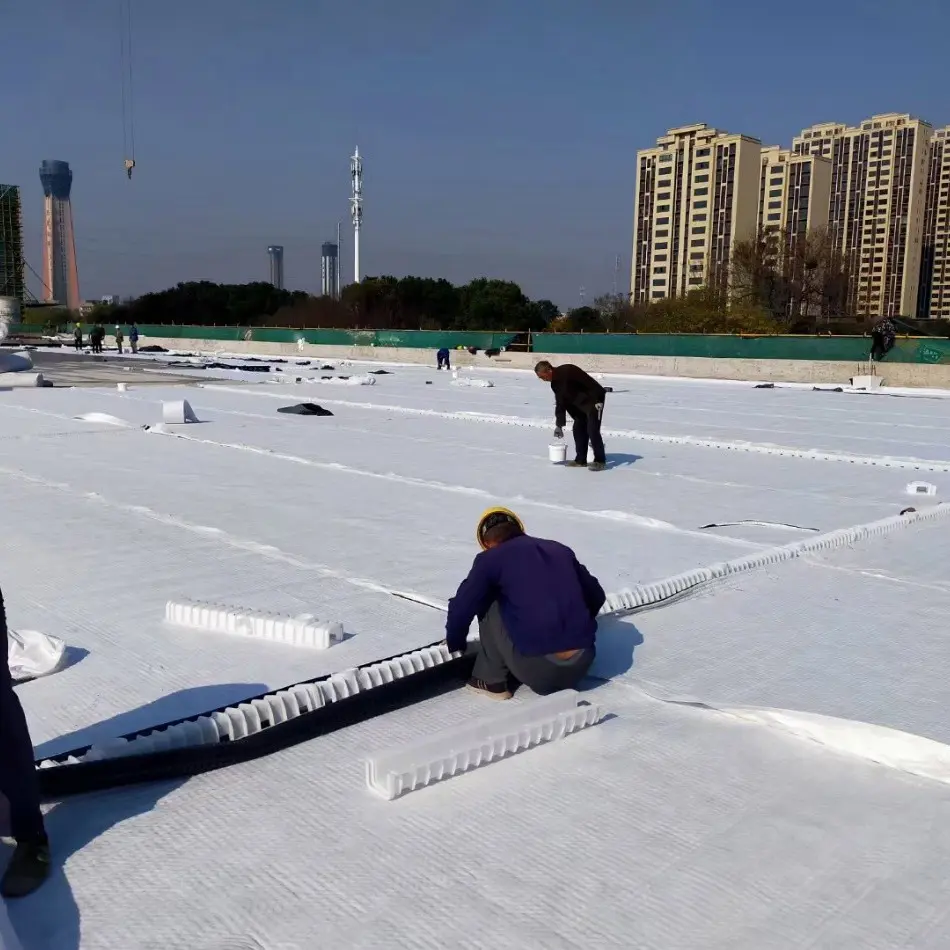
The collection method of the siphonic waterproof drainage collection system is to continuously flow soil seepage water through PED14 high-molecular protective drainage special-shaped sheets to the siphonic drainage trough. The water in the siphonic drainage trough quickly gathers at the outlet. The outlet is filled with water by changing the diameter of the pipe, thus forming a siphonic flow. Then it successively enters the observation well and the collection well, and is finally reused. The construction process involves laying the adhesive bar, siphonic drainage trough, PED14 polymer protective drainage special-shaped sheet, reducer pipe, observation well and collection well in sequence. Siphonic drainage collection method and construction technology, no need to find the slope, can achieve zero-slope organized drainage. By adopting the principle of siphoning, the original passive drainage has been changed to active drainage, effectively solving the problems of incomplete drainage, leakage and damage to vegetation in the existing drainage structure. This can reduce costs and construction periods, effectively extend the service life of buildings, and the collected water can be reused.

Product Description

Related Products

01 Water Accumulation And Drainage Plate Concave and Convex Drainage Cell
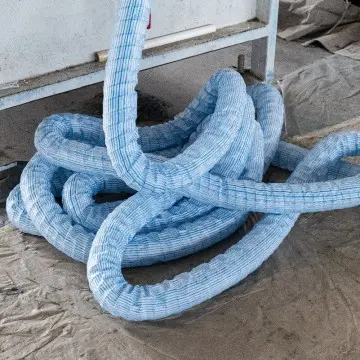
Water Accumulation And Drainage Plate Concave and Convex Drainage Cell

02 Flexible Soft Permeable Pipe for Water Seepage Management Solutions
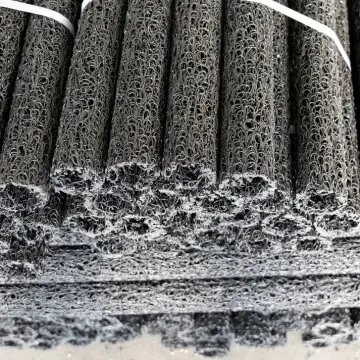
Flexible Soft Permeable Pipe for Water Seepage Management Solutions

03 Waterproof Board Water Drainage Durable Drain Plastic Blind Filter Ditch Pipe

Waterproof Board Water Drainage Durable Drain Plastic Blind Filter Ditch Pipe

Frequently Asked Questions

Q What is the core function of concave and convex drainage cells?

They create a structural void space that facilitates bidirectional water management: retaining adequate moisture in the indentations for plant growth while draining surplus seepage rapidly away from structures.

Q How does a flexible soft permeable pipe prevent soil clogging?

It utilizes an integrated permeable geotextile wrapping around a high-strength spring wire or polymer core, allowing uniform all-around water infiltration while filtering out fine soil particulates.

Q Where are plastic blind filter ditch pipes typically deployed?

They are predominantly utilized in subgrade drainage for highways, railway beds, retaining walls, sports fields, tunnels, and foundational underground drainage ditches.

Q Are waterproof drainage boards suitable for green roof installations?

Yes, their dimpled high-density polyethylene structure relieves hydrostatic pressure against waterproofing membranes while acting as an effective root-barrier and secondary drainage layer.

Q What makes synthetic drainage solutions superior to traditional gravel ditches?

Synthetic drainage solutions are lighter in weight, easier to transport and install, provide consistent flow performance, and have significantly higher resistance to soil clogging and chemical degradation.


Related Products