
High-Quality Waterproof Board Water Drainage Durable Drain Plastic Blind Filter Ditch Pipe Suppliers, Supplier
Product Description
Related Products
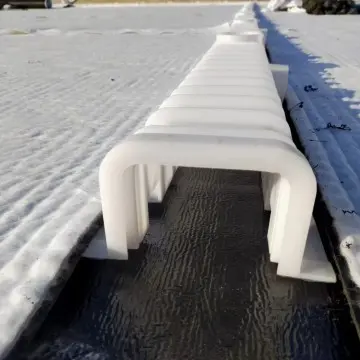
Sponge City Siphonic Waterproof and Drainage Collection System
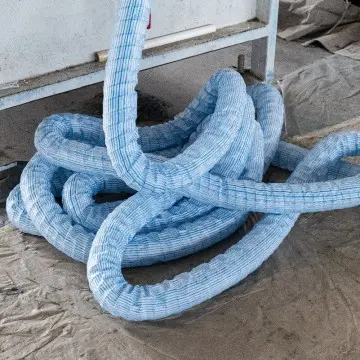
Flexible Soft Permeable Pipe for Water Seepage Management Solutions
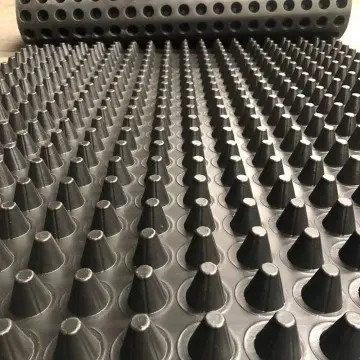
Water Accumulation And Drainage Plate Concave and Convex Drainage Cell
Frequently Asked Questions
Q What is the primary function of a Sponge City Siphonic Waterproof and Drainage Collection System?
The siphonic system creates a continuous negative pressure effect during heavy downpours, accelerating water collection and discharge without relying purely on slope gravity. It helps prevent urban waterlogging while directing runoff into filtration units for ecological recycling.
Q Where are flexible soft permeable pipes commonly installed?
Flexible soft permeable pipes are engineered for subsurface water seepage management. Common applications include highway subgrades, railway embankments, retaining walls, sports fields, agricultural lands, and foundation seepage control to relieve hydrostatic pressure.
Q How do concave and convex drainage cells enhance green roof systems?
The specialized dimpled profile creates dual functionality: the concave cups store essential moisture for plant roots during dry spells, while excess water flows freely through the channels between the convex dimples, preventing soil saturation and structural water damage.
Q Do synthetic drainage plates replace traditional gravel layers?
Yes. Modern polymeric drainage plates are lightweight, durable, and deliver significantly higher flow rates than aggregate layers. They also reduce the structural dead load on buildings and speed up installation times substantially.
Q Can these drainage solutions be combined for large-scale landscaping projects?
Absolutely. Integrated civil drainage systems frequently combine dimpled drainage plates on flat subterranean surfaces with flexible permeable pipes along perimeter collection trenches to ensure comprehensive water management and structural waterproofing.







